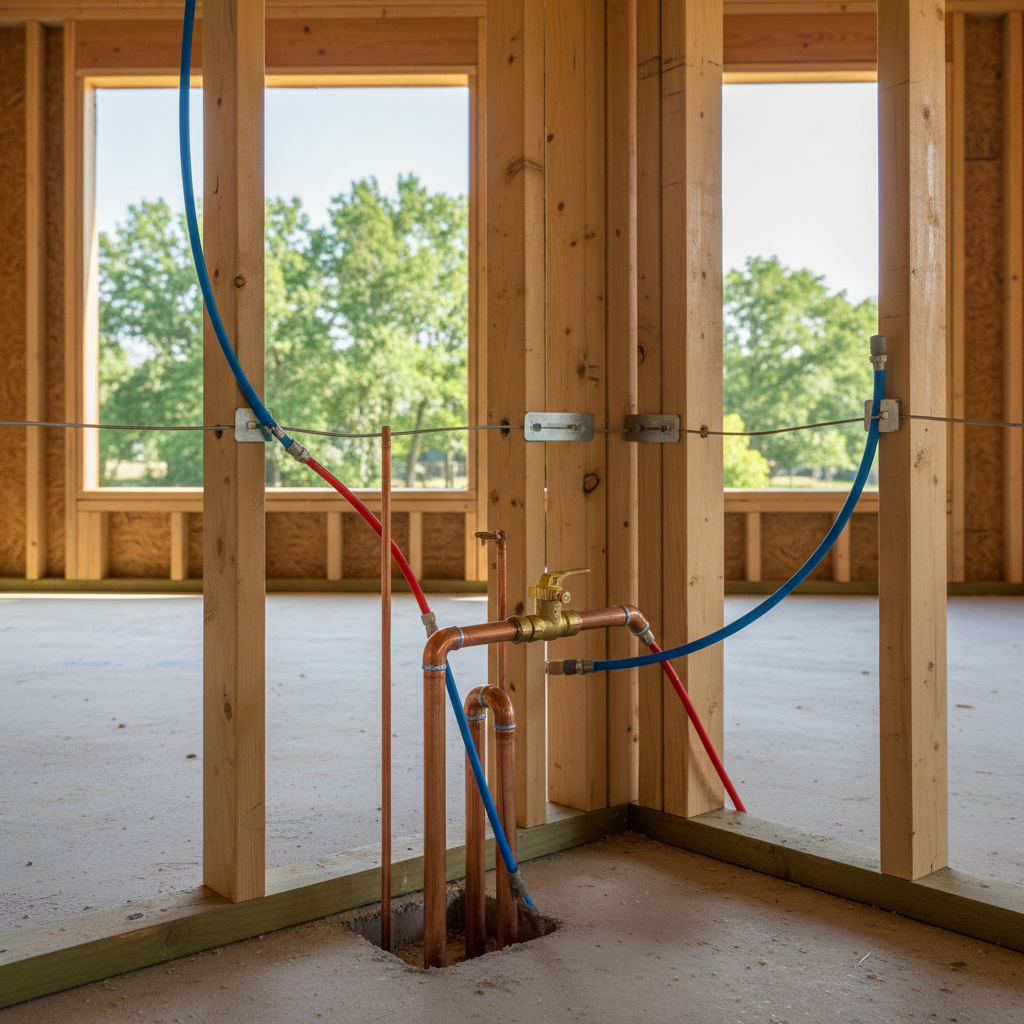
What exactly is plumbing rough-in?
Alright, let's get this straight. When we talk about "plumbing rough-in," we're talking about all the hidden stuff. It's putting in all the water supply lines (hot and cold), drain lines, and vent pipes *before* the walls get closed up with drywall and your cabinets go in. Think of it as the skeleton of your kitchen's plumbing system. We're running all the pipes from the main lines to where your sink, dishwasher, fridge, and any other water-using appliances will sit. It's called "rough-in" because it's not the finished product; we're not installing faucets or hooking up the appliances yet. We're just getting the infrastructure in place, making sure everything's perfectly positioned and ready for the final connections.
Why is getting the rough-in right so critical for a kitchen remodel?
This is where things can go sideways if you're not careful. Getting the rough-in right is absolutely non-negotiable. If those pipes aren't exactly where they need to be, or if the slopes for drainage aren't correct, you're looking at major headaches down the road. Imagine your new custom cabinets going in, and then we find out the drain pipe for the sink is six inches off. That's a huge problem. It means tearing out new work, delaying the project, and costing you more money. Plus, getting the venting right prevents those gurgling noises and nasty smells from your drains. It's all about setting up the foundation correctly so everything else can fall into place smoothly. You don't want to be cutting into brand new drywall because someone guessed where the water line should go.
Do I need to pull permits for plumbing rough-in in Broken Arrow?
You bet your bottom dollar you do. Any time you're altering or installing new plumbing lines, especially during a remodel like a kitchen, you're going to need a permit from the City of Broken Arrow. This isn't just bureaucracy; it's for your protection. The city inspectors will come out and check our work after the rough-in is complete but before we cover anything up. They're making sure everything meets the current building codes, which are there to ensure safety and proper function. If you skip the permit, you could face fines, have to tear out work, and even run into issues when you try to sell your house later. Trust me, it's not worth the risk. A good remodeler, like us at Primetime Kitchen Remodeling, will always handle the permitting process for you.
Can I move my sink or dishwasher during a kitchen remodel, and what does that mean for rough-in?
Absolutely, you can move them! That's one of the big advantages of a kitchen remodel – you get to redesign your space. But moving a sink or dishwasher often means significant changes to your plumbing rough-in. It's not just about running a new water line; it's about extending drain lines, ensuring proper slope for gravity to do its job, and sometimes even reconfiguring vent pipes. If you're moving a sink across the room, for example, we might need to break into the concrete slab if your house is on one, or run new lines through floor joists. This is where the cost can go up, and it's why we need to plan this out meticulously upfront. It's totally doable, but it's a major rough-in consideration.
What's involved in a plumbing rough-in inspection?
Once we've got all the pipes run and secured, but before any walls are closed up, the city inspector comes out. They're checking a few key things. First, they'll do a pressure test on the water supply lines. We'll cap off all the openings and pressurize the system to a certain PSI to make sure there are no leaks. Then, they'll check the drain, waste, and vent (DWV) system. This often involves filling the drain pipes with water to ensure proper slope and that there are no leaks there either. They're also looking at pipe sizing, proper venting to prevent siphoning, and ensuring everything meets the local codes for placement and materials. It's a thorough check, and it's essential for getting the green light to move forward with the rest of your remodel.
How long does plumbing rough-in usually take?
That's a tough one to give a single answer for, because it really depends on the scope of your remodel. If you're just replacing a sink in the same spot, the rough-in might be a few hours of adjustments. But for a full kitchen gut and redesign where we're moving appliances around, it could easily be a few days, sometimes even a week, especially if we're dealing with slab work or complex venting. A lot also depends on the age of your home. Older homes in areas like those established neighborhoods off Florence Street might have older pipe materials that need more extensive replacement to meet current codes, which can add time. We always build this time into our project schedule, so you'll know what to expect.