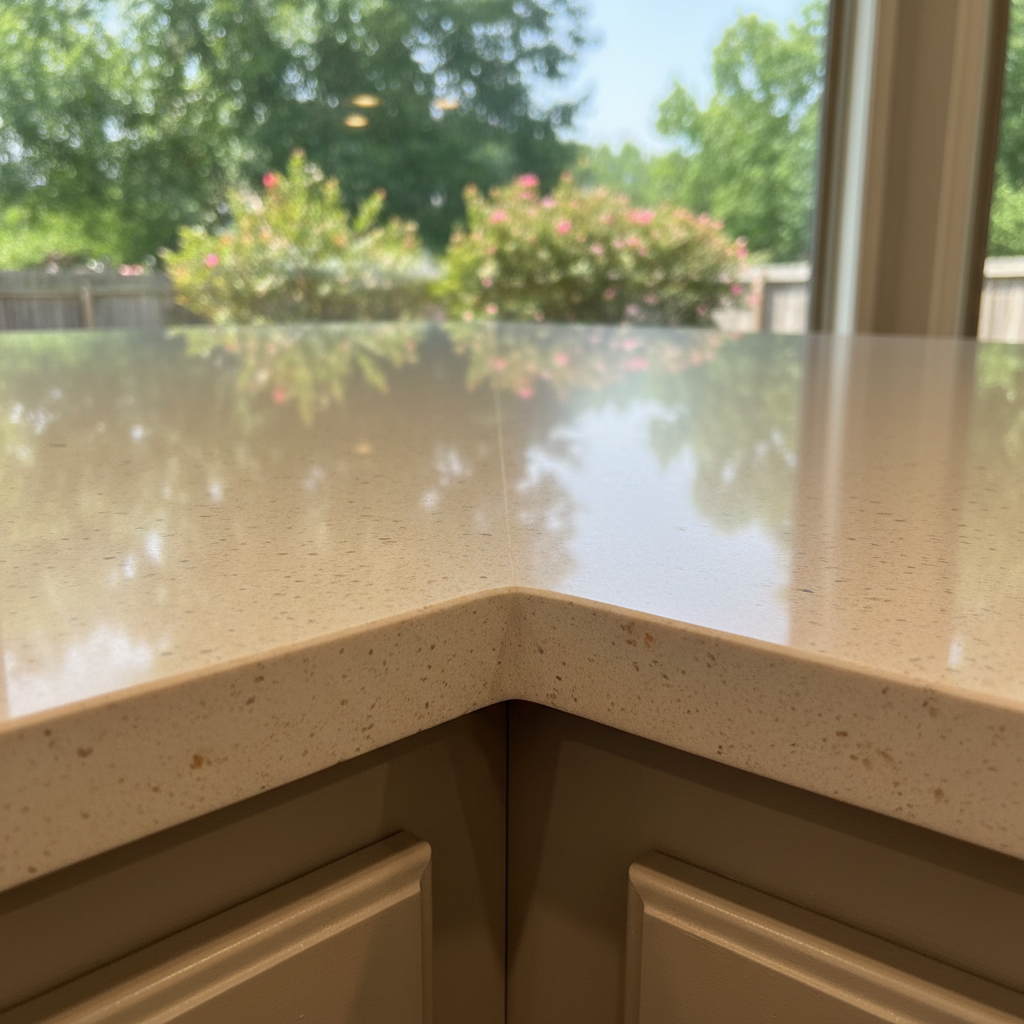
Alright, let's talk countertops. You've picked out the perfect slab or material, and now it's time to get it into your kitchen. This isn't always a job you can just jump into without a plan. There's a lot to consider, and knowing what you're getting into can save you a ton of headaches and money down the road.
Before You Start: Planning & Prep
First things first, you gotta plan. This isn't just about picking a color; it's about making sure your kitchen is ready for the change. You'll need to decide if you're keeping your old cabinets or getting new ones. If you're replacing cabinets, that's a whole different ballgame, and the countertops usually go in after the new cabinets are set and leveled.
Measure, Measure, Measure: I can't stress this enough. Get precise measurements. Not just the length and width, but also the depth of your cabinets, any overhangs you want, and cutouts for your sink and cooktop. If you're doing a complex layout, like an L-shape or a U-shape, you might even want to make a template out of cardboard or thin plywood. This is where a lot of DIYers get tripped up, and a small error here can mean a very expensive mistake.
Material Matters: What kind of countertop are you going with? Laminate? Butcher block? Quartz? Granite? Each material has its own installation quirks. Laminate and butcher block are generally more DIY-friendly. You can cut them to size, finish the edges, and fasten them down with basic tools. But if you're thinking about heavy stone like granite or quartz, you're probably looking at a professional install. Those slabs are incredibly heavy, brittle, and require specialized tools and expertise to cut, polish, and move without breaking.
Sink & Appliance Considerations: Are you reusing your old sink or getting a new one? Will it be an undermount or a drop-in? Undermount sinks require precise cutouts and often professional support. Drop-in sinks are a bit easier for a DIYer. Also, think about your cooktop. Does it need a cutout? Make sure you have all the specifications for your appliances handy.
During Installation: DIY vs. Pro
This is where you really need to be honest with yourself about your skill level and what you're comfortable tackling.
DIY-Friendly Options:
- Laminate: If you're replacing existing laminate with new laminate, and your cabinets are level, this is probably the most straightforward DIY. You'll need a good circular saw with a fine-tooth blade, a router for edge finishing (or pre-finished edges), and the right adhesive and fasteners.
- Butcher Block: Similar to laminate, butcher block is very DIY-friendly. You can cut it, sand it, and seal it yourself. Just remember to seal it properly, especially around the sink, to prevent water damage.
- Tile: Tiled countertops are another DIY possibility, though they're not as common these days. It's more about your tiling skills than heavy lifting.
When to Call Primetime Kitchen Remodeling (or another pro):
- Stone (Granite, Quartz, Marble, etc.): Look, these materials are beautiful, but they're not a DIY project for most homeowners. They weigh a ton, require specialized cutting equipment (often done off-site), and need to be perfectly leveled and seamed. Trying to move a 10-foot granite slab through your front door and into your kitchen without breaking it or your back is a recipe for disaster. We've seen it happen.
- Complex Layouts: If you have a lot of angles, multiple seams, or an island that needs a waterfall edge, a professional will ensure everything lines up perfectly and the seams are virtually invisible.
- Undermount Sinks: While you might be able to cut the hole for a drop-in sink, an undermount sink requires precise cuts and often specific support brackets integrated into the countertop itself.
- Leveling Issues: If your cabinets aren't perfectly level (and in older Broken Arrow homes, especially those built on pier and beam foundations, they often aren't), a professional knows how to shim and adjust to get a perfectly flat surface for your new countertops.
The actual installation process for a pro involves precise templating (they'll come to your house and make exact patterns), fabrication in their shop, and then careful delivery and installation. They'll secure the countertops to your cabinets, seal any seams, and make sure everything is plumb and level. They'll also handle the heavy lifting and protect your floors and walls.
After Installation: Care & Maintenance
So, your beautiful new countertops are in. Now what?
Clean Up: If you did it yourself, clean up all the sawdust, adhesive residue, and tools. If a pro did it, they'll usually do a pretty good job of cleaning up after themselves, but a final wipe-down is always a good idea.
Sealing: If you went with a natural stone like granite or marble, it will need to be sealed. Most pros will do this as part of the installation. If you did it yourself, or if you're unsure, ask your supplier about the specific sealing requirements for your material. You'll likely need to re-seal it periodically, maybe once a year, depending on the stone and how much use it gets.
Caring for Your Specific Material:
- Quartz: Generally low maintenance, just use mild soap and water. Avoid harsh chemicals.
- Granite/Marble: Use pH-neutral cleaners. Be careful with acidic foods (lemon juice, vinegar) as they can etch the surface if not wiped up quickly.
- Butcher Block: Regular oiling is key to keeping it looking good and preventing drying and cracking. Use food-safe mineral oil.
- Laminate: Easy to clean with soap and water. Avoid cutting directly on it or placing hot pans on it without a trivet, as it can scorch or scratch.
Remember, no matter what kind of countertop you have, it's always a good idea to use cutting boards and trivets. They'll extend the life and beauty of your surfaces.
Look, a new countertop can completely transform your kitchen. If you're handy and going with a DIY-friendly material, go for it! But if you're dreaming of granite or quartz, or if your kitchen has some tricky angles, don't hesitate to call in the experts. We've been doing this for years at Primetime Kitchen Remodeling, and we're always happy to help Broken Arrow homeowners get the kitchen they've always wanted.