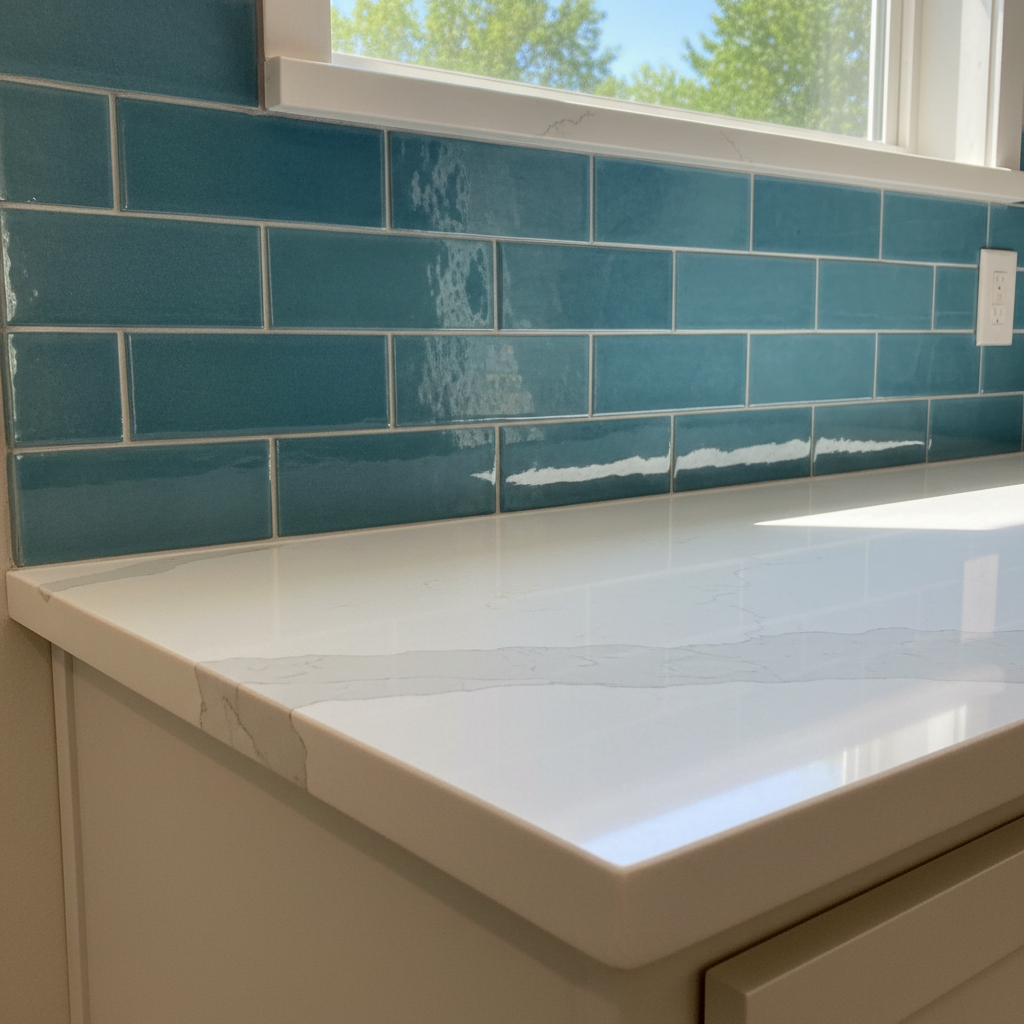
So, you're dreaming of a new kitchen, huh? It's a big project, no doubt, but one that can totally transform your home. I've seen a lot of kitchens here in Broken Arrow, from the older homes near Main Street to the newer builds out by Aspen Creek, and every remodel is a journey. The biggest question I hear is always, "What can I do myself, and what do I really need a contractor for?" Let's break it down.
Before You Even Pick Up a Hammer
Planning is everything. Seriously, don't skip this step. Before you start tearing things out, you need a clear vision and a solid plan. This isn't just about picking pretty cabinets; it's about function, flow, and making sure everything fits. You'll want to think about your budget first and foremost. Be realistic. Things always cost more than you think, and there are always unexpected bumps in the road, especially with older homes where you might uncover some surprises behind the walls.
Next, think about your layout. Are you happy with where your sink is? Do you want to move the stove? Changing the footprint of your kitchen, especially moving plumbing or electrical lines, is where things get complicated fast. If you're just doing a cosmetic refresh – new cabinets, countertops, paint – you might be able to manage more on your own. But if you're gutting the place and moving walls, that's definitely a job for a professional designer and contractor. They can help you visualize the space, draw up plans, and make sure everything meets local building codes.
You can absolutely do a lot of the initial legwork yourself: gathering inspiration, creating a mood board, and even getting preliminary quotes for materials. Measure your space like crazy. Twice. Three times. The more accurate your measurements, the fewer headaches you'll have down the line.
During the Remodel: DIY vs. Pro Tasks
Alright, demo day! This is where it gets exciting, and a little messy. Can you handle demolition yourself? Absolutely, if you're careful and have the right tools. Just make sure you know what's behind those walls before you start swinging. You don't want to hit a live wire or a water pipe. Turn off your utilities at the main if you're unsure. Hauling away debris is also a big job; you might need a dumpster. We often handle demo for our clients because it's faster and we have the equipment, but if you're on a tight budget and have some muscle, go for it.
Now, for the actual construction. Here's where the line between DIY and pro gets clearer:
- Plumbing & Electrical: Unless you're a licensed plumber or electrician, do NOT mess with these. It's not just about getting it to work; it's about safety and code compliance. Improper wiring can cause fires, and bad plumbing can lead to leaks and water damage. This is 100% a job for a pro.
- Cabinet Installation: This one's tricky. If you're installing pre-assembled cabinets in a straightforward layout, and you're handy with a level and a drill, you might be able to do it. But custom cabinets, tricky corners, or a complex layout? That's best left to someone who does it every day. Getting them perfectly level and plumb is crucial for how your kitchen looks and functions.
- Countertops: Unless you're going with laminate that you cut yourself (which is getting less common these days), leave this to the pros. Granite, quartz, concrete – they're heavy, fragile, and require specialized tools and expertise to cut, transport, and install correctly.
- Flooring: Depending on the type, you might be able to DIY. Laminate and some LVT (luxury vinyl tile) can be homeowner-friendly. Hardwood, complex tile patterns, or anything requiring a perfect subfloor prep is usually better for a professional installer.
- Painting: This is a classic DIY job! You can save a lot of money here. Just take your time with prep work – taping, patching, and priming are key to a professional-looking finish.
- Backsplash: Tiling a backsplash can be a great DIY project if you have patience and attention to detail. It's a smaller area, so mistakes are less catastrophic, and you can learn as you go.
When you hire a company like Primetime Kitchen Remodeling, we're handling all the coordination, scheduling, and making sure the right people are doing the right jobs at the right time. It takes a lot of stress off your plate.
After the Dust Settles
You've got your beautiful new kitchen! Now what? First, take a deep breath and enjoy it. But also, make sure you understand any warranties on your new appliances, cabinets, and countertops. Keep all your paperwork – receipts, warranties, contractor agreements – in a safe place.
For ongoing maintenance, just follow the manufacturer's recommendations for cleaning your specific materials. For example, some countertops need to be sealed periodically, while others are virtually maintenance-free. With our crazy Oklahoma weather, especially the humidity swings we get, you might see some minor settling or shifting in new materials. That's usually normal, but if you have concerns, don't hesitate to reach out to your contractor.
A kitchen remodel is a big investment, and whether you DIY parts of it or go full-service, the goal is always a functional, beautiful space you'll love for years to come. Just be smart about where you spend your time and where you spend your money. Sometimes, paying a pro for a critical task saves you a lot more in the long run than trying to do it yourself and ending up with costly mistakes.