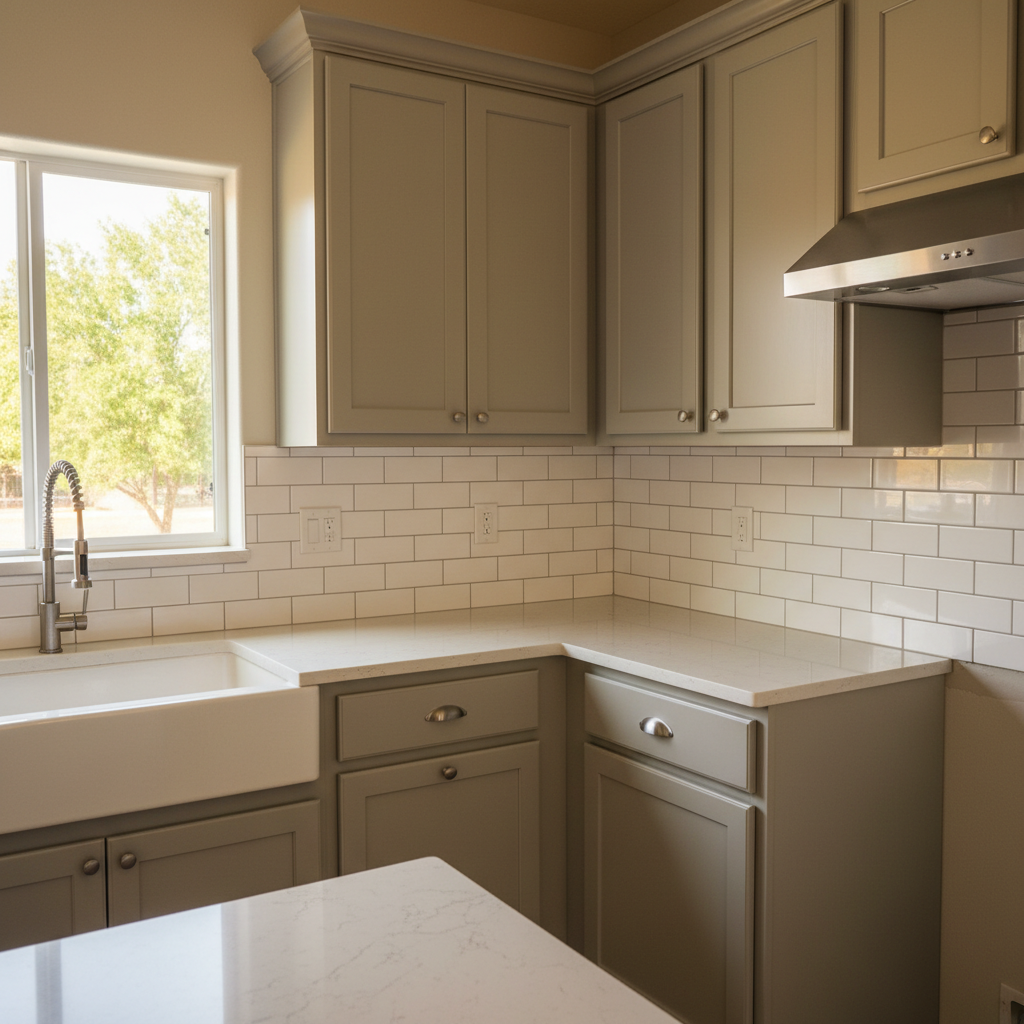
You'd think a backsplash is pretty straightforward, right? Just pick some tile, slap it on the wall, and call it a day. Well, I've been doing kitchen remodels in Broken Arrow for a long time, and I can tell you, it's not always that simple. I see folks make the same mistakes over and over, and it usually ends up costing them more time, more money, or just plain regret. Let's talk about what to watch out for.
Not Planning for the Whole Picture
This is probably the biggest one. People get excited about a tile they saw online or in a showroom and forget to consider how it fits with everything else. Your backsplash isn't an island; it's part of a bigger system. You've got your countertops, your cabinets, your flooring, and even the wall paint. Does that busy mosaic tile you love clash with your granite's natural pattern? Will a bright white subway tile look too stark against your warm-toned cabinets? I've seen kitchens in places like Forest Ridge where someone picked a really modern, sleek backsplash, but their cabinets were traditional oak. It just doesn't flow, and it makes the whole kitchen feel disjointed.
Think about the overall style you're going for. Is it modern, farmhouse, traditional, transitional? Your backsplash needs to support that vision, not fight it. Get samples, bring them home, and look at them in your kitchen's lighting at different times of day. It makes a huge difference.
Ignoring Prep Work and Substrate Issues
You can have the most beautiful, expensive tile in the world, but if the surface it's going on isn't right, it's going to look terrible and won't last. I'm talking about the wall itself. Is it clean? Is it flat? Is it primed properly? Here in Broken Arrow, especially with some of the older homes, you might have plaster walls or drywall that's seen better days. If the wall isn't perfectly smooth, you'll see every bump and dip through the tile, especially with glossy finishes or larger format tiles.
A good installer will tell you if the wall needs patching, sanding, or a skim coat before they even think about mixing thinset. If they just want to slap it over an uneven surface, that's a huge red flag. Don't skip this step; it's foundational to a professional-looking job.
Choosing the Wrong Grout Color and Type
Grout seems like a minor detail, but it can make or break your backsplash. A dark grout with a light tile can create a grid pattern that's either a bold design choice or a distracting mess, depending on your tile and overall style. A light grout with a light tile can make the backsplash look like a seamless surface. There's no right or wrong answer here, but you need to think about it deliberately.
Then there's the type of grout. Standard sanded or unsanded cementitious grout is common, but in a kitchen, especially behind the stove, you might want to consider an epoxy grout. It's more resistant to stains, chemicals, and moisture, which is a big plus when you're cooking with oils and sauces. It's a bit more expensive and harder to work with, so not all installers are keen on it, but it's worth asking about for durability.
Hiring the Cheapest Bid (or a Jack-of-All-Trades)
I get it, everyone wants to save a buck. But when it comes to tile work, you really do get what you pay for. A backsplash installation requires precision, attention to detail, and specific skills. It's not just about cutting tiles; it's about layout, leveling, proper adhesive application, and clean grouting.
I've seen homeowners hire a handyman who claims they can do it all, only to end up with crooked lines, uneven spacing, lippage (where one tile edge is higher than the next), or messy grout. Fixing a bad tile job is often more expensive and disruptive than doing it right the first time. Ask for references, look at their previous work, and make sure they specialize in or have extensive experience with tile installation. At Primetime Kitchen Remodeling, we've seen plenty of 'fixer-upper' backsplash jobs that could have been avoided with a little more vetting upfront.
Forgetting About Outlets and Switches
This is a small detail that can really stick out if not handled correctly. Your backsplash is going to cover existing outlets and light switches. You need to make sure the installer knows how to properly extend these boxes forward so the outlets sit flush with the new tile surface. If they don't, your outlets will be recessed, which looks unfinished and can be a pain to use.
Also, consider the color of your outlet covers and switches. If you've got a beautiful new backsplash, those old almond or stark white covers might look out of place. Matching them to your tile or choosing a neutral color that blends in can make a big difference in the final aesthetic.
Not Ordering Enough Material
This happens more often than you'd think. You measure your square footage, order exactly that much, and then you're short. You need to factor in waste for cuts, especially with intricate patterns or if you have a lot of corners and edges. A good rule of thumb is to order 10-15% extra. If you're doing a diagonal pattern or a complex design, you might need even more.
Why is this important? Because if you run out, and your tile is from a specific dye lot or batch, you might not be able to get an exact match. Colors and finishes can vary slightly between batches, and that difference will be noticeable on your wall. It's better to have a few extra tiles left over than to be scrambling for more or dealing with mismatched shades.
Getting a new backsplash can really transform your kitchen. Just make sure you're thinking through these common mistakes so your project goes smoothly and you end up with a kitchen you love for years to come.